
Pulled pork is the ultimate feed-the-whole-crew meal. One roast or several, it’s mostly hands-off, and you don’t need a smoker. Your oven at 250°F does the job, and you still get that dark, sticky, crunchy bark everybody fights over.
I made two 9-pound butts this way to feed 19 guys on the crew, with homemade pickles, coleslaw, a pile of buns, three sauces and a couple of pans of mac and cheese. There was even a little left over.
The secret is simple: a good rub, an overnight rest in the fridge and plenty of patience. No liquid, no lid, no shortcuts.
What Cut to Buy
Look for a bone-in pork butt, also called a Boston butt. Many stores label it “pork shoulder roast” or “pork shoulder blade roast.” Same thing. (A “picnic shoulder” is the lower part of the shoulder. It works, but the butt is the one you want.) Something in the 8 to 10 pound range is perfect.
The bone helps it cook evenly, and it’s the best doneness test there is: when the meat’s ready, it slides right out.
How much to make: one 9-pound butt comfortably feeds about 10 to 12 people once you add sides. Feeding a bigger crowd? Just add another butt. Two fit side by side on most oven racks and cook in about the same time.
Prep the Night Before
Pat the pork completely dry with paper towels. The rub needs a dry surface to stick to, and a dry surface makes better bark.
Set it fat side up on a tray or a big sheet of plastic wrap. The plastic wrap keeps the mess down and makes wrapping easier later.
Score the fat cap. Cut a crosshatch pattern into the fat about ¼ to ½ inch deep, depending on how thick the fat is. It’s fine to nick into the meat a little, just don’t cut deep. Those cuts let the rub get down in there and help the fat render into crispy bark.
Rub the whole thing with a thin layer of yellow mustard. It won’t taste like mustard. It’s just glue for the rub. Want more smoke flavor without a smoker? Stir a little dab of liquid smoke into the mustard before you spread it on. A little goes a long way.
Now for the rub. I use at least 1½ cups per butt, up to 2 cups or more for a bigger roast. Any of my pork rubs work: the Sweet and Smoky Pork Rib Rub, the Adobo version or the Chipotle version. Cover every side generously. Work it into the score marks and every crevice, and go heavy on the fat cap.
Wrap it tight. Use enough layers of plastic wrap to completely seal it. As it sits, the rub pulls juices out of the meat, and if it isn’t sealed well, you’ll have a sticky mess all over your fridge. Set it on a tray and let it sit overnight.
Low and Slow
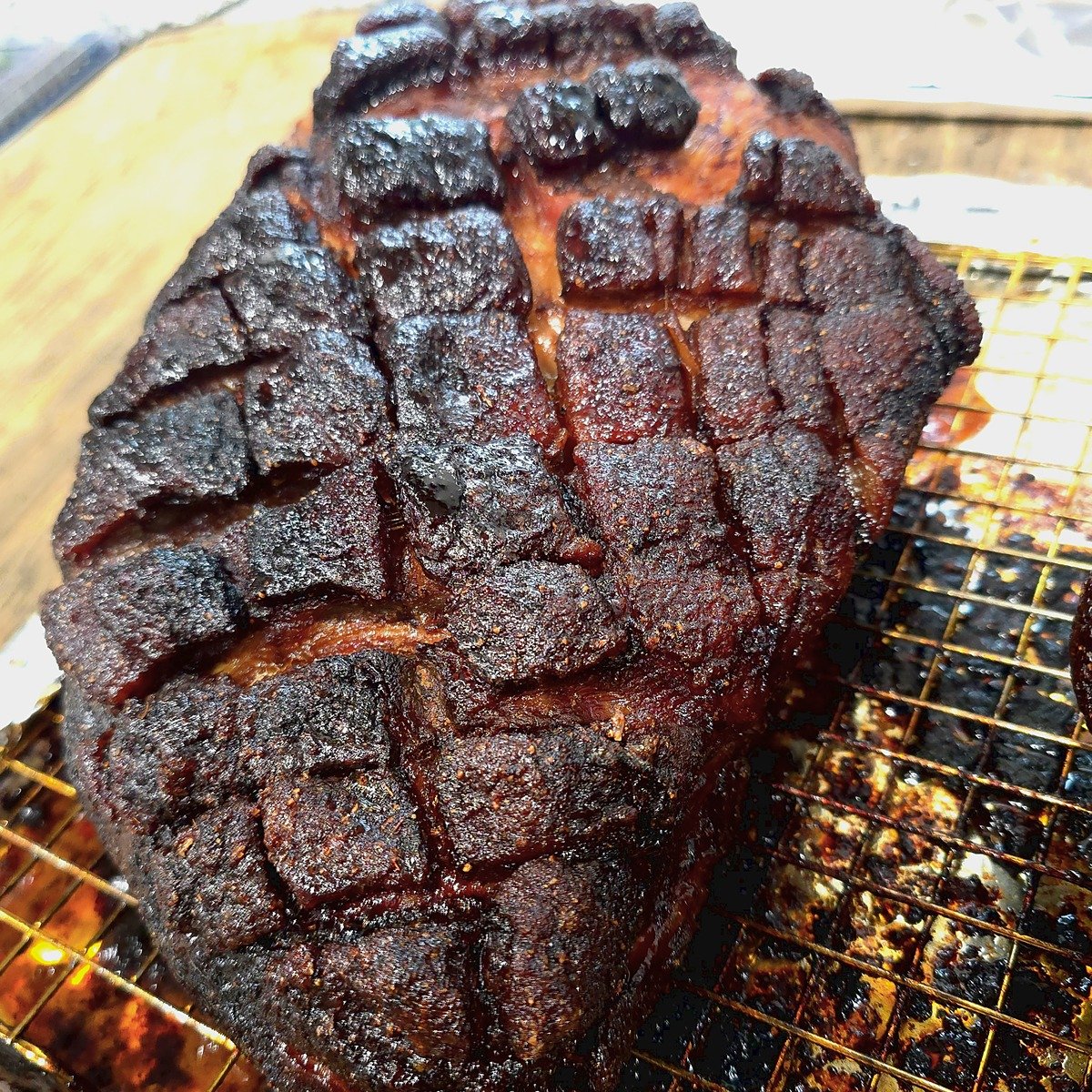
Heat the oven (or smoker) to 250°F. Unwrap the pork over a bowl and catch all the juice and rub that collected overnight. Set the pork fat side up on a rack over a pan, then pour that juice right back over the top. That’s flavor you don’t want to lose.
The rack keeps the pork up out of the drippings, which matters for good bark. Use a pan big enough or deep enough to hold a lot of juice. Trust me, an overflowing pan in the oven is not something you want to deal with.
Using a smoker? Skip the rack and pan and set the pork right on the grates.
Push an oven-safe probe thermometer into the thickest part, away from the bone. Bake uncovered until it hits 200 to 205°F.
Running behind? Once the pork reaches about 185°F, you can bump the heat to 275 to 300°F to finish it faster. I did exactly that on my last cook.
Plan Ahead. Way Ahead.
This is the most important part. Cook time is all over the place. Every roast and every oven is different. My two 9-pounders went in at 4 a.m. and barely hit 200°F around 4 p.m. I’ve had a 10-pounder finish in 10 hours and an 8-pounder take 11. You just never know.
So plan for the pork to be done well before you want to eat, then give it 1 to 2 hours of rest on top of that. That isn’t a problem: wrapped in a few layers of foil, it stays hot for hours on the counter. For longer holds, wrap it and set it in a dry cooler packed with towels.
Pull It
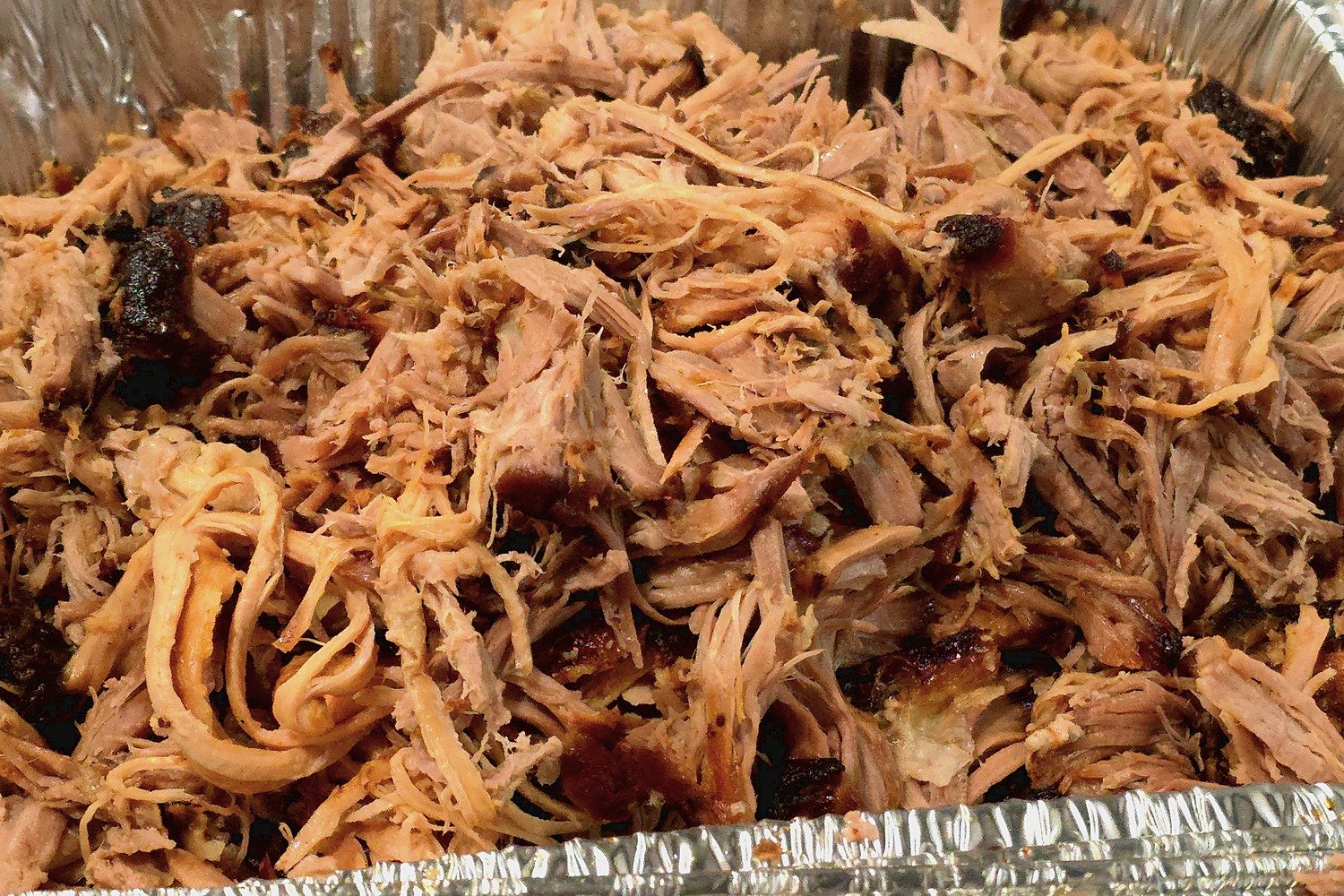
Once it’s rested, pull the bone. It might take a little tug to break it loose, but once it does, the meat starts falling apart on its own. Two tips while you shred:
- Pick out the fatty bits. Pork butt has a lot of fat marbled through it. As you shred, you’ll find ribbons and chunks of soft fat and connective tissue. Pull those out. Nobody wants a mouthful of that.
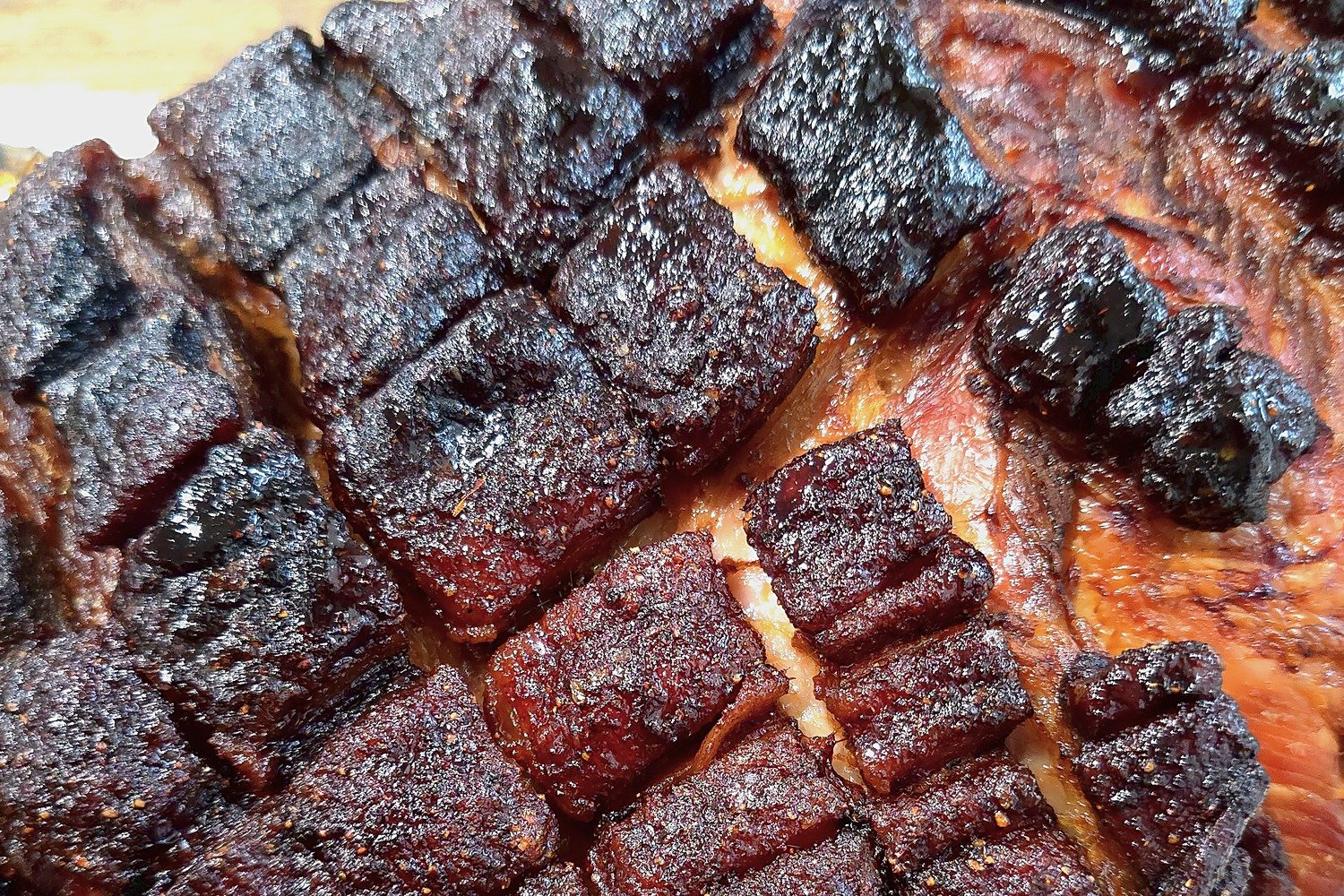
- Keep the bark. The fat cap renders down into a dark, crusty bark that’s loaded with flavor. Break it into pieces and mix it back into the meat. That’s the best part.
How to Serve It
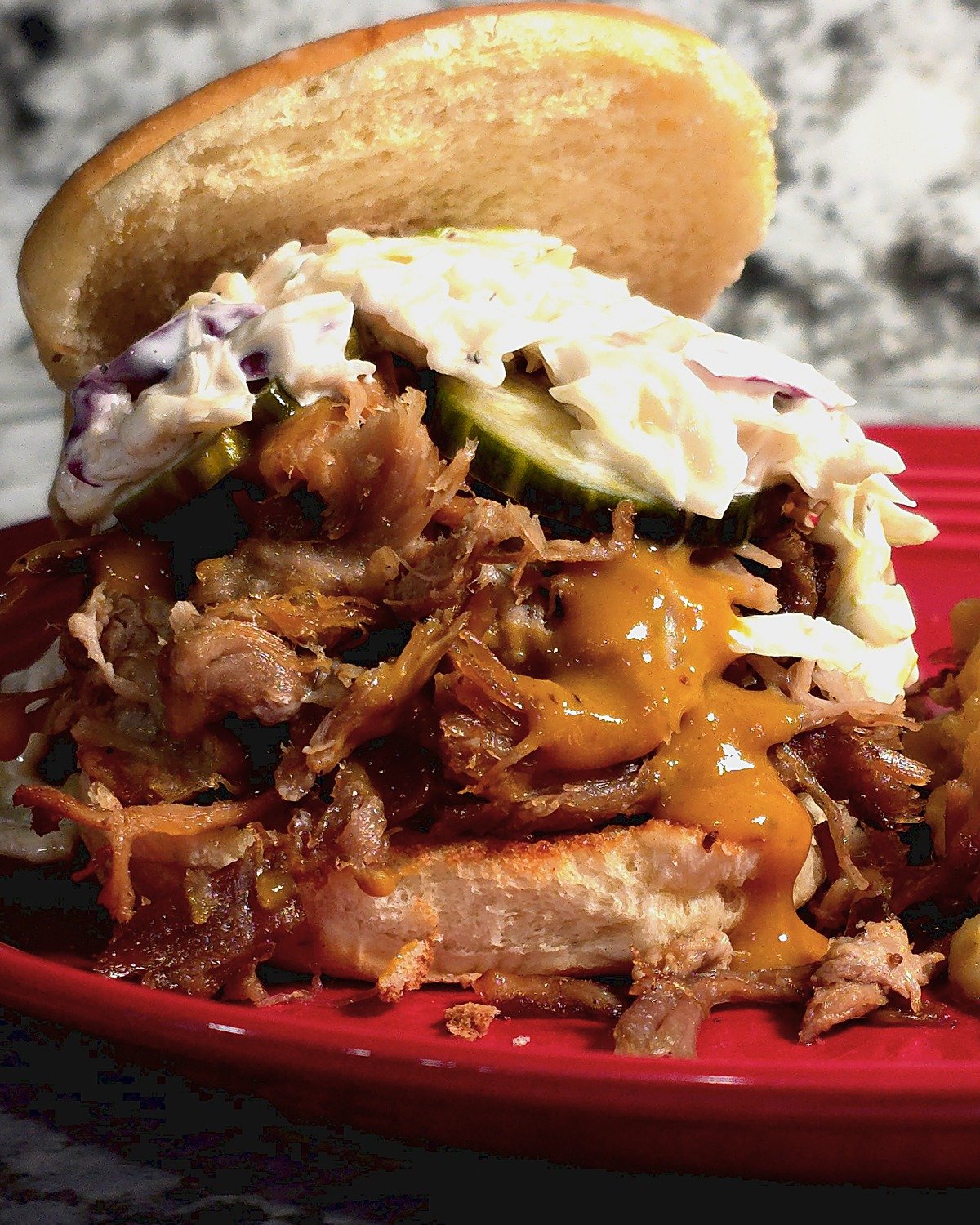
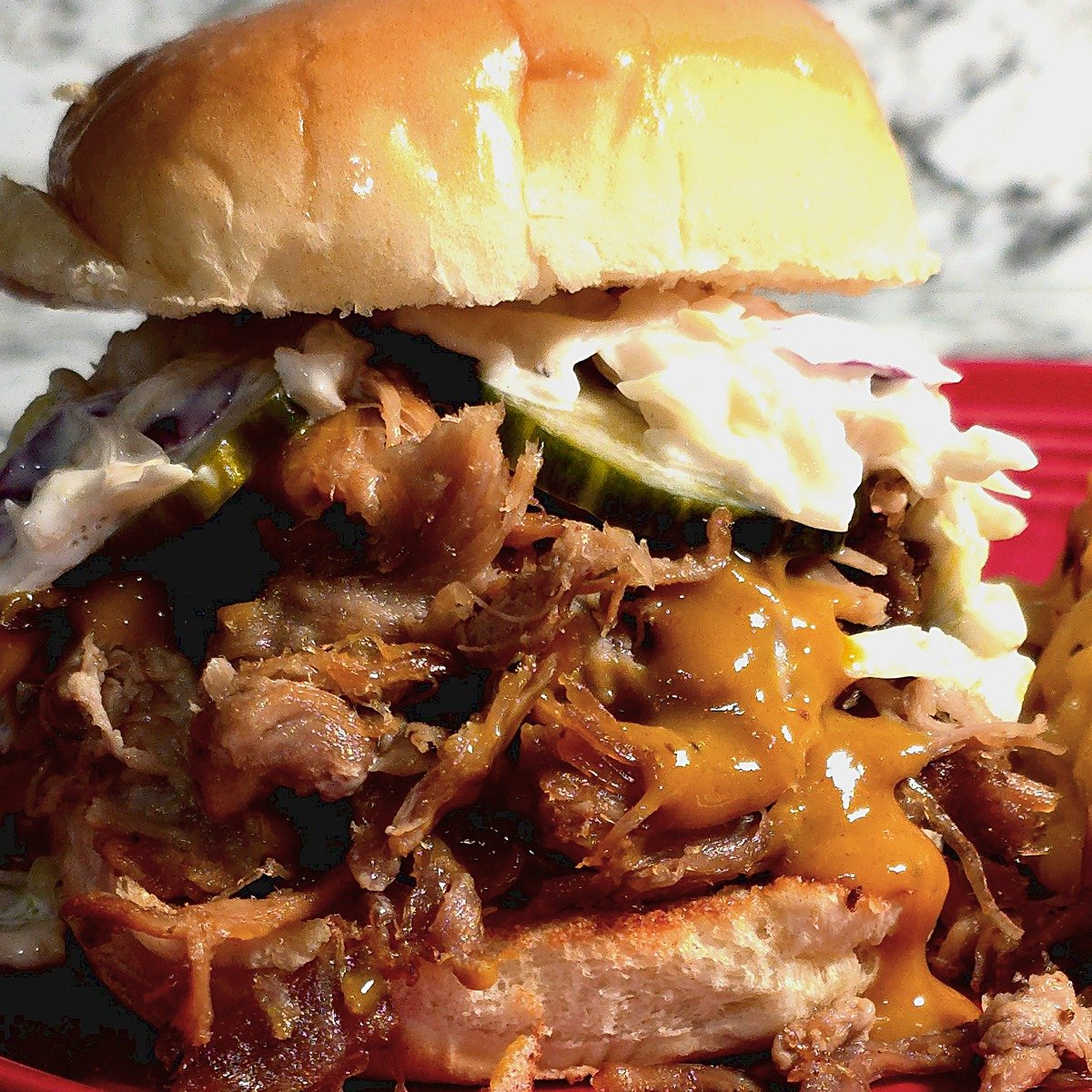
Pile it on a warm bun with your favorite BBQ sauce, my Crunchy Quick Refrigerator Pickles, some KFC Copycat Coleslaw and a few slices of red onion. It’s just as good on its own, too.
For sauce, the North Carolina Style BBQ Sauce and the South Carolina Gold are my personal favorites with pork. The Honey Chipotle BBQ Sauce is the crowd favorite.
Try it over mac and cheese: put a scoop of Extra-Cheesy Baked Mac and Cheese in a bowl, pile pulled pork on top and finish with a drizzle of your favorite BBQ sauce. A lot of people swear by this combo, and it’s a great way to use up leftovers.
Low and Slow Oven Pulled Pork
Ingredients
Method
- Pat the pork completely dry with paper towels. Set it fat side up on a tray or a large sheet of plastic wrap.
- Score the fat cap in a crosshatch pattern, 1/4 to 1/2 inch deep, without cutting deep into the meat.
- Rub a thin layer of mustard over the whole roast. For more smoke flavor, stir a small dab of liquid smoke into the mustard first.
- Cover all sides generously with the rub, working it into the score marks and crevices.
- Wrap tightly in several layers of plastic wrap. Refrigerate overnight on a tray.
- Heat the oven or smoker to 250°F. Unwrap the pork, saving the juices. Set it fat side up on a rack over a large, deep pan and pour the saved juices over the top. (In a smoker, put it straight on the grates.)
- Insert an oven-safe probe into the thickest part, away from the bone. Bake uncovered until it reaches 200 to 205°F, usually 10 to 12 hours, but it varies. Running behind? Once it hits about 185°F, bump the heat to 275 to 300°F.
- Wrap in a few layers of foil and rest 1 to 2 hours. It stays hot for hours wrapped, or longer in a dry cooler packed with towels.
- Pull out the bone, then shred, removing any soft fat and gristle. Break up the crusty bark and mix it back in.
- Serve on buns with BBQ sauce, pickles, coleslaw and red onion, or over mac and cheese.
Leave a Reply